Table of Contents
- Introduction
- What Is Long-Term Investing?
- What Is Short-Term Trading?
- Key Differences Between Investing and Trading
- Types of Trading
- Benefits of Long-Term Investing
- Benefits of Short-Term Trading
- Risks of Each Strategy
- Time Commitment Comparison
- Capital Requirements
- Tax Considerations (General Overview)
- Which Strategy Fits Different Investor Profiles?
- Can You Combine Investing and Trading?
- Common Mistakes Beginners Make
- Expert Tips for Building Wealth Over Time
- Frequently Asked Questions
- Final Thoughts
Introduction
Two people can look at the exact same stock chart and come away with completely different plans. One sees a company worth owning for the next twenty years. The other sees a price pattern worth acting on over the next twenty minutes. Neither is automatically wrong — they’re simply playing different games with different rules.
This is the core distinction between long-term investing and short-term trading, and it’s one of the most misunderstood topics among people new to the markets. Financial media often blurs the line, using “investing” and “trading” almost interchangeably, when in reality they require different skill sets, time commitments, risk tolerances, and even different tax treatment.
This guide from Apex Vertex Global breaks down both approaches honestly — including where each one tends to work, where it tends to fail, and how to think about which path might align with your own financial situation. Our goal isn’t to tell you which is “better” in the abstract, since that depends entirely on your goals, timeline, and temperament.
What Is Long-Term Investing?
Long-term investing means buying assets — typically stocks, funds, or other securities — with the intention of holding them for an extended period, often five years or more, sometimes decades.
The strategy is built around a simple premise: over long stretches of time, financial markets have historically trended upward, even though they experience significant declines along the way. Long-term investors aim to capture that broad upward trend rather than trying to predict short-term price movements.
A classic example: an investor who purchases shares of a diversified index fund and holds it through multiple market cycles — including downturns — is practicing long-term investing. They’re not trying to sell before a dip or buy right before a rally. They’re betting on the underlying growth of the economy and corporate earnings over a much longer horizon.
What Is Short-Term Trading?
Short-term trading involves buying and selling securities over much shorter timeframes — anywhere from seconds to a few months — with the goal of profiting from price movements rather than long-term business fundamentals.
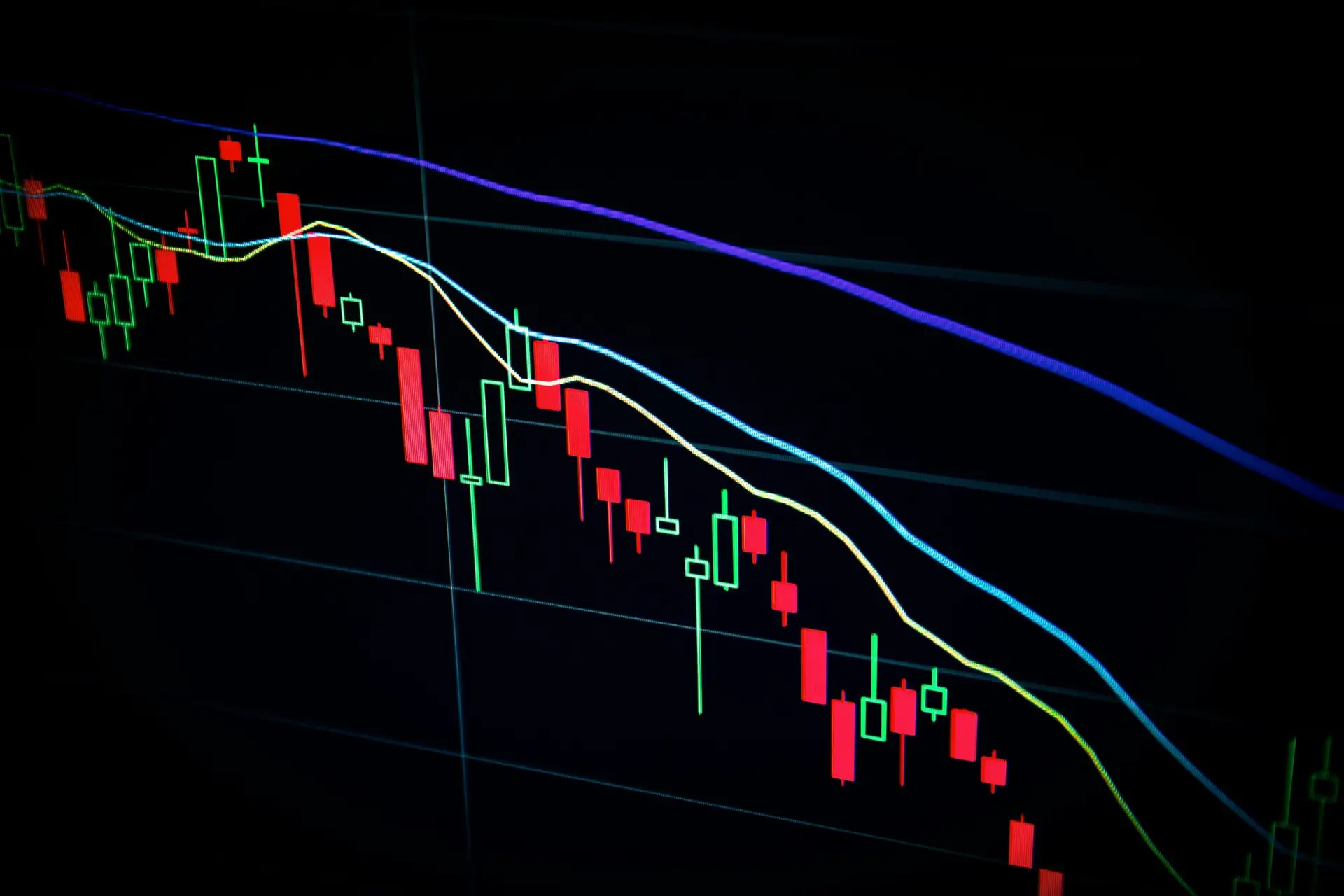
Traders typically rely on technical analysis: studying price charts, patterns, and market indicators to make decisions, often with far less emphasis on a company’s underlying financial health. Speed, timing, and discipline matter enormously in this approach.
For example, a trader might notice that a stock has historically bounced off a certain price level several times and decide to buy near that level, planning to sell within days if the pattern repeats — regardless of what the company actually does as a business over the following years.
Key Differences Between Investing and Trading
| Factor | Long-Term Investing | Short-Term Trading |
|---|---|---|
| Time Horizon | Years to decades | Seconds to months |
| Primary Analysis Method | Fundamental analysis (company financials, industry trends) | Technical analysis (price charts, patterns, indicators) |
| Goal | Capture long-term market and business growth | Profit from short-term price movements |
| Activity Level | Low — infrequent buying/selling | High — frequent buying/selling |
| Emotional Demands | Requires patience during downturns | Requires discipline and fast decision-making |
| Typical Risk Level | Generally lower over long horizons | Generally higher, due to frequency and leverage use |
Expert Insight: These two approaches aren’t just different speeds of the same activity — they rely on fundamentally different skill sets. A strong long-term investor needs patience and the ability to ignore short-term noise. A skilled short-term trader needs fast analytical instincts and strict risk controls. Struggling in one doesn’t necessarily mean you’d struggle in the other, and vice versa.
Types of Trading
Short-term trading isn’t one single activity — it spans several distinct styles, each with a different pace and risk profile.
Day Trading
Involves buying and selling securities within the same trading day, with positions typically closed before markets close to avoid overnight risk. Day trading requires constant market monitoring and fast execution.
Swing Trading
Involves holding positions for several days to a few weeks, aiming to capture a specific price “swing” or trend. Swing trading requires less constant attention than day trading but still demands regular monitoring.
Position Trading
Involves holding positions for weeks to several months, blending elements of trading and investing. Position traders often use a mix of technical and fundamental analysis.
Scalping
An extremely short-term style involving dozens or even hundreds of trades per day, aiming to profit from very small price movements. Scalping requires significant time commitment, low-cost trade execution, and rapid decision-making.
Trading Styles Comparison
| Style | Typical Holding Period | Time Commitment | Complexity |
|---|---|---|---|
| Day Trading | Minutes to hours (same day) | Very High | High |
| Swing Trading | Days to weeks | Moderate to High | Moderate to High |
| Position Trading | Weeks to months | Moderate | Moderate |
| Scalping | Seconds to minutes | Extremely High | Very High |
Benefits of Long-Term Investing
- Historical resilience: Over multi-decade periods, broad markets have historically trended upward despite short-term downturns, though this doesn’t guarantee future performance.
- Lower time demands: Long-term investing doesn’t require daily monitoring, making it accessible to people with full-time jobs or limited time.
- Compounding growth: Reinvested dividends and long holding periods allow compounding to work over extended timeframes.
- Lower transaction costs: Fewer trades generally mean fewer fees and less price impact from frequent buying and selling.
- Reduced emotional strain: Long-term investors are less exposed to the stress of constant, rapid decision-making.
Benefits of Short-Term Trading
- Potential for faster returns: Skilled traders can potentially realize gains over days or weeks rather than waiting years.
- Flexibility in changing markets: Traders can adapt quickly to new information or shifting conditions rather than waiting out a long-term position.
- Opportunities in both rising and falling markets: Certain trading strategies can potentially profit from declining prices, not just rising ones.
- Skill development: Active trading can build a deep, hands-on understanding of market mechanics and price behavior over time.
Important Note: These potential benefits come with meaningfully higher risk and time demands, discussed further below. Multiple studies referenced by organizations like FINRA and academic researchers have found that a large percentage of active retail traders underperform simple long-term index strategies over time, often due to transaction costs, timing errors, and behavioral biases.
Risks of Each Strategy
Long-Term Investing Risks:
- Market-wide downturns can still significantly reduce portfolio value, even temporarily
- Requires patience through multi-year periods of underperformance
- Opportunity cost if a long-held position underperforms other available investments
- Inflation can erode real returns if growth is too slow over time
Short-Term Trading Risks:
- Higher likelihood of losses due to frequent trading and rapid decision-making
- Transaction costs and fees can accumulate quickly with high trading frequency
- Emotional decision-making under pressure can lead to costly mistakes
- Leverage, when used, can amplify both gains and losses significantly
- Requires constant attention, increasing the risk of missed information or delayed reactions
Expert Insight: Risk in trading isn’t just financial — it’s behavioral. Many trading losses stem not from a flawed strategy on paper, but from deviating from that strategy under emotional pressure during a live trade.
Time Commitment Comparison
| Factor | Long-Term Investing | Short-Term Trading |
|---|---|---|
| Daily Monitoring Required | Minimal | Extensive (especially day trading/scalping) |
| Research Frequency | Periodic (quarterly/annually) | Constant, often daily |
| Decision Speed Needed | Low | High to very high |
| Suitable for Full-Time Employees | Generally yes | Often difficult without dedicating significant time |
For someone working a full-time job outside the financial markets, long-term investing is generally far more compatible with limited available time, while active trading styles like day trading often require near full-time attention during market hours.
Capital Requirements
Capital needs differ significantly between the two approaches.
- Long-term investing can often begin with very small amounts, thanks to fractional shares offered by many modern brokerages, sometimes as little as $1–$10.
- Short-term trading, particularly day trading, may involve higher effective capital requirements. In the United States, for example, FINRA rules require traders classified as “pattern day traders” to maintain a minimum account equity of $25,000 in margin accounts used for frequent day trading.
This regulatory requirement alone makes active day trading structurally less accessible to many beginners compared to long-term investing, which has no such minimum.
Tax Considerations (General Overview)
Tax treatment can differ meaningfully between long-term and short-term strategies, though specific rules vary by country and individual circumstances. The following is a general, educational overview and not tax advice.
- Long-term capital gains: In many jurisdictions, including the United States, assets held for longer than one year may qualify for reduced long-term capital gains tax rates compared to short-term rates.
- Short-term capital gains: Profits from assets held for one year or less are often taxed at higher, ordinary income tax rates in jurisdictions like the U.S.
- Trading frequency and tax complexity: Frequent trading can create significantly more complex tax reporting, given the higher volume of individual transactions.
Because tax rules vary by country, and individual circumstances differ significantly, consulting a licensed tax professional is strongly advised before making decisions based on tax treatment.
Which Strategy Fits Different Investor Profiles?
| Investor Profile | Likely Better Fit | Reasoning |
|---|---|---|
| Full-time employee, limited free time | Long-term investing | Requires minimal daily monitoring |
| Retirement-focused saver | Long-term investing | Aligns with multi-decade time horizon |
| Highly risk-tolerant, time-available individual | Short-term trading (with caution) | Trading requires significant time and risk tolerance |
| Beginner with limited market knowledge | Long-term investing (generally) | Lower complexity, historically more forgiving of timing errors |
| Experienced market analyst seeking active involvement | Short-term trading (with proper risk management) | Requires deep technical knowledge and discipline |
This table reflects general tendencies, not universal rules. Individual circumstances, goals, and expertise should guide any decision, ideally in consultation with a licensed financial professional.
Can You Combine Investing and Trading?
Many experienced market participants use a hybrid approach — maintaining a long-term “core” portfolio while allocating a smaller portion of their capital to active trading.
For example, an investor might keep 85–90% of their portfolio in diversified, long-term holdings, while using the remaining 10–15% for more active, shorter-term positions. This approach allows for potential trading opportunities while limiting the amount of capital exposed to the higher risks associated with frequent trading.
Expert Tip: If exploring a hybrid approach, clearly separate your long-term holdings from your trading capital — mentally and, ideally, in separate accounts. Mixing the two can lead to emotional decision-making, such as treating a long-term holding like a short-term trade during a temporary dip.
Common Mistakes Beginners Make
- Treating trading like investing, or vice versa — holding a “trade” too long out of hope, or selling a long-term investment out of short-term fear
- Underestimating the time commitment required for active trading styles like day trading
- Overtrading, which increases transaction costs and emotional strain without necessarily improving results
- Ignoring risk management, such as not defining an exit strategy before entering a trade
- Using leverage without fully understanding the risks of amplified losses
- Jumping into short-term trading based on social media hype rather than developed skill and a tested strategy
- Abandoning a long-term plan during a market downturn, converting a temporary paper loss into a permanent one
Expert Tips for Building Wealth Over Time
- Match your strategy to your actual lifestyle, not an idealized version of how much time you’ll dedicate to monitoring markets.
- Start with a long-term foundation before considering any active trading, so you have a stable base regardless of trading outcomes.
- Track your actual performance honestly, including all fees and taxes, rather than focusing only on your winning trades.
- Define clear rules in advance for any trading strategy, including when you’ll enter and exit a position.
- Avoid mixing emotional decision-making with either approach — both require discipline, just in different ways.
- Revisit your strategy periodically as your financial situation, goals, and available time change over the years.
Frequently Asked Questions
1. Is long-term investing better than short-term trading? Neither is universally “better” — they serve different goals, time commitments, and risk tolerances. Long-term investing generally requires less time and has historically been more accessible for beginners, while short-term trading demands more skill, time, and risk management.
2. Can beginners succeed at short-term trading? It’s possible, but data referenced by regulators like FINRA and various academic studies suggest a large percentage of active retail traders underperform simple long-term strategies, often due to costs, timing errors, and emotional decision-making.
3. How much money do I need to start day trading? In the United States, FINRA’s pattern day trader rule requires a minimum of $25,000 in equity for margin accounts used for frequent day trading, making it a higher barrier to entry than long-term investing.
4. Is short-term trading riskier than long-term investing? Generally, yes. The combination of frequent trading, potential use of leverage, and the need for fast decision-making tends to make short-term trading riskier than a diversified long-term approach, though outcomes vary by individual strategy and discipline.
5. Do I have to choose only one strategy? No. Many investors use a hybrid approach, maintaining a long-term core portfolio while allocating a smaller portion of capital to active trading, though this requires careful risk management.
6. How does taxation differ between investing and trading? In many jurisdictions, assets held longer than one year may qualify for reduced long-term capital gains rates, while short-term gains are often taxed at higher ordinary income rates. Tax rules vary by country, so professional tax guidance is recommended.
7. What’s the main skill difference between investors and traders? Long-term investors generally rely on patience and fundamental analysis of a company’s long-term prospects, while traders rely more heavily on technical analysis, fast decision-making, and strict risk management.
8. Is swing trading easier than day trading? Swing trading generally requires less constant monitoring than day trading, since positions are held for days or weeks rather than within a single day, though it still demands regular research and risk management.
9. Can long-term investing still involve risk? Yes. While long-term investing has historically been associated with more stable outcomes over extended periods, it still carries market risk, including the possibility of value declining, especially over shorter timeframes within the holding period.
10. What’s a reasonable starting point for a beginner unsure which approach to choose? Many financial professionals suggest beginners start by building a diversified, long-term foundation before exploring short-term trading, given the lower complexity, lower capital requirements, and reduced time demands of long-term investing.
Key Takeaways
- Long-term investing focuses on holding assets for years or decades, relying on fundamental analysis and broad market growth over time.
- Short-term trading involves frequent buying and selling based largely on technical analysis, requiring significantly more time, skill, and risk tolerance.
- Trading styles range from day trading and scalping to swing and position trading, each with different time and complexity demands.
- Long-term investing generally requires less capital and time, while short-term trading, particularly day trading, has higher practical and regulatory barriers to entry.
- Tax treatment often favors longer holding periods in many jurisdictions, though rules vary and professional tax advice is recommended.
- A hybrid approach — a long-term core with a smaller active trading allocation — is one way experienced investors balance both strategies.
Internal Linking Suggestions
- Link to “How to Start Investing in the Stock Market: A Complete Beginner’s Guide”
- Link to “Stock Market Basics: Everything Every Beginner Should Know in 2026”
- Link to “Portfolio Diversification: How to Build a Balanced Investment Portfolio”
- Link to an article on “Understanding Technical Analysis: A Beginner’s Introduction”
- Link to a resource on “How Capital Gains Tax Works for Investors”
External References
- U.S. Securities and Exchange Commission (SEC) — www.sec.gov
- Financial Industry Regulatory Authority (FINRA) — www.finra.org
- Investor.gov — www.investor.gov
- CFA Institute — www.cfainstitute.org
- Morningstar — www.morningstar.com
- Nasdaq — www.nasdaq.com
Final Thoughts
Long-term investing and short-term trading aren’t competing philosophies so much as different tools designed for different jobs. One is built around patience and the long arc of economic growth. The other is built around speed, precision, and constant engagement with short-term price movement.
Neither approach guarantees success, and both carry real risk. The right starting point isn’t about which strategy sounds more exciting — it’s an honest assessment of your available time, your risk tolerance, your financial goals, and how much complexity you’re genuinely prepared to manage. For many beginners, building a long-term foundation first, before considering any active trading, remains one of the more accessible and historically resilient starting points.
Disclaimer: This article is intended for educational and informational purposes only and does not constitute financial, investment, tax, or legal advice, nor a recommendation of any specific strategy. Investing and trading both involve risk, including the potential loss of principal, and past performance does not guarantee future results. Readers should consult a licensed financial advisor or tax professional before making investment decisions. Apex Vertex Global does not guarantee any specific investment outcome.